
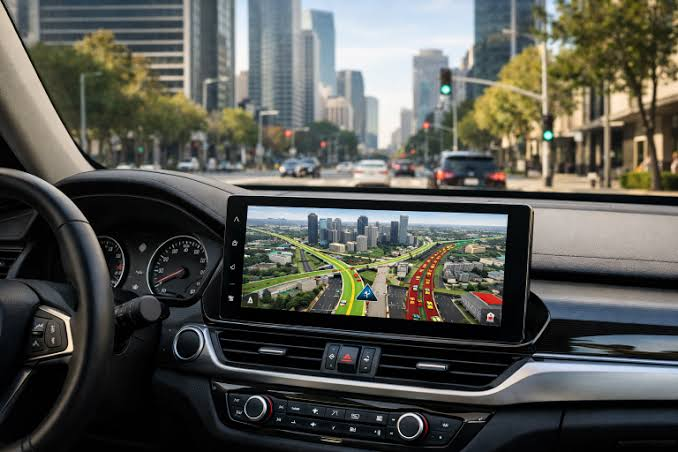
The way people explore, discover, and interact with the digital world has transformed dramatically over the past few decades. From basic website directories to intelligent systems that understand user behavior, digital navigation has become a core element of modern online experiences. Today, navigation is not only about finding information but also about creating smooth, personalized journeys. Businesses and platforms are constantly improving how users move through digital spaces, with concepts like luxury138 link representing the broader shift toward more engaging and user-focused online environments. The evolution of digital navigation reflects advancements in technology, design thinking, artificial intelligence, and the growing expectations of internet users.
The Early Days of Digital Navigation
In the early years of the internet, digital navigation was relatively simple. Websites were mainly collections of static pages connected through basic hyperlinks. Users had to understand a website’s structure and manually search through menus to locate information. Search engines were still developing, and websites often relied on long lists of categories or directories to guide visitors.
During this period, navigation systems focused primarily on organization rather than experience. Designers aimed to create clear paths between pages, but limited technology restricted creativity. Websites were built around technical requirements, and user behavior was not deeply analyzed. The concept of a personalized digital journey was still far from reality.
As internet adoption increased, the need for better navigation became more important. Users wanted faster access to relevant content, and businesses realized that confusing navigation could lead to lost visitors. This encouraged developers and designers to rethink how digital environments were structured.
The Rise of Search Engines and Improved Accessibility
The growth of search engines marked a significant turning point in digital navigation. Instead of browsing through endless categories, users could simply type a query and receive relevant results. Search technology changed the relationship between users and online information by making discovery faster and more efficient.
Search engines introduced new methods of organizing digital content. Websites began focusing on search optimization, keyword strategies, and content structures that helped users find information more easily. Navigation was no longer limited to menus and links; it expanded into a combination of internal website organization and external discovery systems.
Accessibility also became a major consideration during this stage of development. Designers started recognizing that digital navigation needed to work for people with different abilities, devices, and browsing habits. Clear layouts, readable content, and logical structures became essential parts of effective online experiences.
The Influence of Mobile Technology
The introduction of smartphones completely changed digital navigation. Traditional websites designed for desktop screens were not suitable for smaller mobile displays. This challenge led to the development of responsive design, mobile-friendly interfaces, and simplified navigation systems.
Mobile users expected quick access to information while on the move. Navigation menus became smaller, touch interactions replaced traditional mouse clicks, and designers focused on reducing unnecessary steps. Features such as bottom navigation bars, swipe gestures, and voice commands became common across mobile applications.
The mobile revolution also changed user expectations. People became accustomed to instant results and simple interfaces. A complicated navigation system could quickly frustrate users, causing them to leave an application or website. As a result, companies invested heavily in creating faster and more intuitive digital journeys.
The Growth of User-Centered Design
Modern digital navigation is strongly influenced by user-centered design principles. Instead of designing systems based only on technical possibilities, developers now study user needs, preferences, and behaviors. Research, testing, and analytics help organizations understand how people interact with digital platforms.
User-centered navigation focuses on reducing confusion and helping users achieve their goals efficiently. Designers consider questions such as where users expect certain information, how many steps are required to complete an action, and what obstacles may prevent successful interaction.
Visual hierarchy has also become an important part of navigation design. Colors, spacing, icons, and typography help guide attention and communicate importance. A well-designed interface allows users to understand where they are, where they can go, and what actions they can take next.
The Impact of Artificial Intelligence
Artificial intelligence has introduced a new era of digital navigation. Traditional navigation systems provide fixed paths, but AI-powered systems can adapt based on individual behavior. By analyzing user actions, preferences, and patterns, intelligent platforms can suggest relevant content and create personalized experiences.
Recommendation systems are one of the most visible examples of AI-driven navigation. Streaming platforms, shopping websites, and social networks use algorithms to predict what users may want to see next. This reduces the effort required to discover information and creates a more customized digital environment.
AI assistants and voice-based navigation have also changed how people interact with technology. Users can now search, control devices, and access information through natural language conversations. This shift moves digital navigation beyond screens and traditional menus toward more human-like interactions.
The Role of Data in Modern Navigation
Data has become a powerful tool in improving digital navigation. Organizations collect information about user interactions to understand what works and what needs improvement. Analytics provide insights into visitor behavior, popular content, and common navigation challenges.
By studying data, companies can continuously refine their platforms. They can identify pages where users struggle, improve website structures, and create smoother experiences. This ongoing process ensures that navigation systems evolve alongside changing user expectations.
However, the use of data also creates responsibilities. Modern organizations must balance personalization with privacy protection. Users increasingly expect transparency regarding how their information is collected and used. Ethical data practices are becoming an important part of responsible digital navigation.
The Emergence of Immersive Navigation Experiences
New technologies such as augmented reality and virtual reality are expanding the possibilities of digital navigation. Instead of navigating through flat screens, users can explore interactive environments that combine digital information with the physical world.
Augmented reality navigation is already changing industries such as travel, education, and retail. Users can receive directions, product information, or contextual details through their devices. Virtual reality creates even more immersive experiences by allowing people to move through fully digital spaces.
These technologies demonstrate that the future of navigation may not depend only on clicking links or selecting menus. Instead, users may interact with digital environments through movement, voice, gestures, and intelligent systems.
The Importance of Seamless Digital Experiences
Today’s users expect digital platforms to be fast, simple, and reliable. Navigation is no longer considered a separate feature; it is a fundamental part of the entire user experience. Every interaction, from opening an application to completing a purchase, depends on effective navigation.
Businesses understand that good navigation improves customer satisfaction, increases engagement, and builds trust. A well-structured digital experience allows users to focus on their goals rather than struggling with complicated systems.
Modern navigation combines design, technology, and psychology. Successful platforms understand user intentions and create pathways that feel natural. The best navigation systems often become invisible because users can move through them effortlessly.
The Future of Digital Navigation
The future of digital navigation will continue to be shaped by artificial intelligence, automation, and emerging technologies. As systems become more intelligent, navigation will become increasingly predictive and personalized. Instead of searching for information manually, users may receive exactly what they need before they even request it.
Voice interfaces, wearable technology, smart devices, and immersive environments will continue changing how people interact with digital spaces. Future navigation systems will likely focus on understanding human behavior more deeply and creating experiences that feel natural and adaptive.
At the same time, simplicity will remain essential. Even as technology becomes more advanced, users will continue to value clear and efficient experiences. The challenge for designers and developers will be balancing innovation with usability.
Conclusion
The evolution of modern digital navigation represents the ongoing relationship between technology and human needs. From basic hyperlinks to intelligent, personalized systems, navigation has developed into a sophisticated part of everyday digital life. Each stage of progress has focused on making information easier to access, interactions smoother, and experiences more meaningful.
As technology continues to advance, digital navigation will become even more connected, intelligent, and immersive. The future will not only be about finding information but about creating digital journeys that understand, support, and adapt to users in meaningful ways.
